


Cupping Gallery
$$MultiPurposeText$$
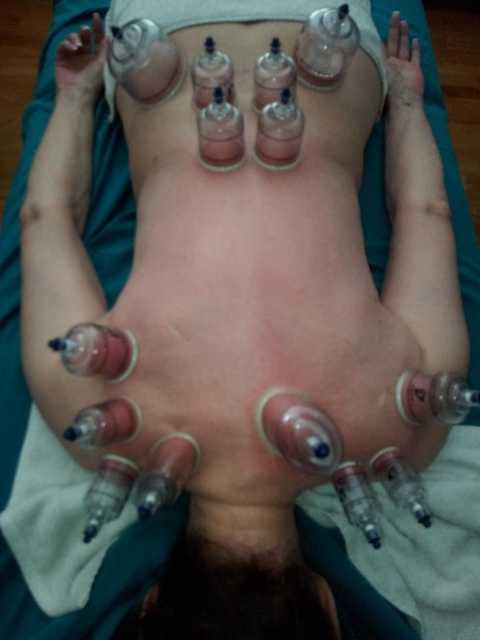
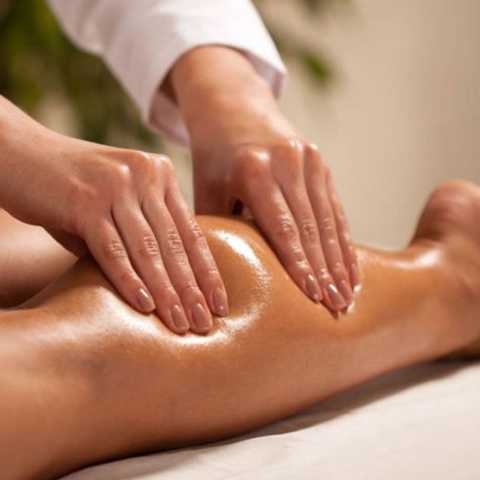
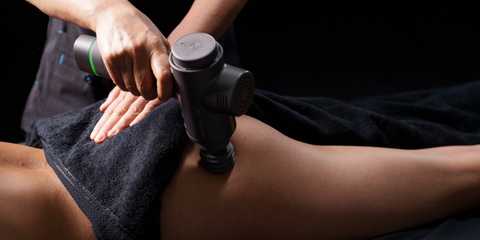
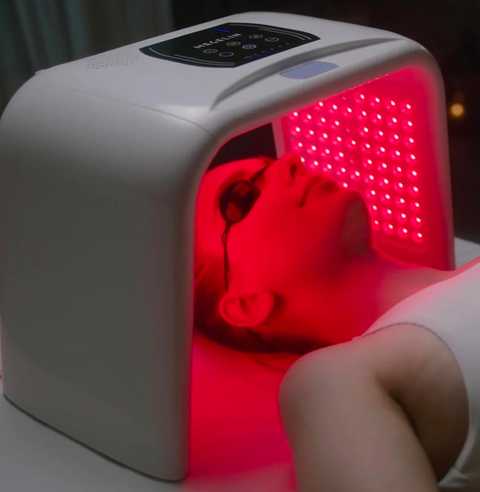
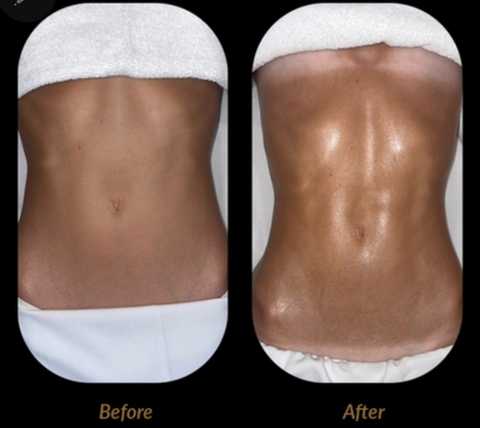
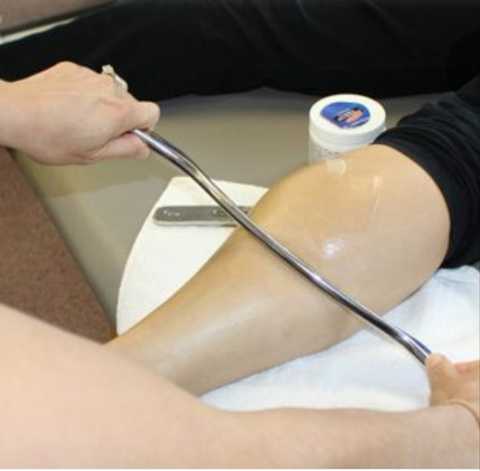
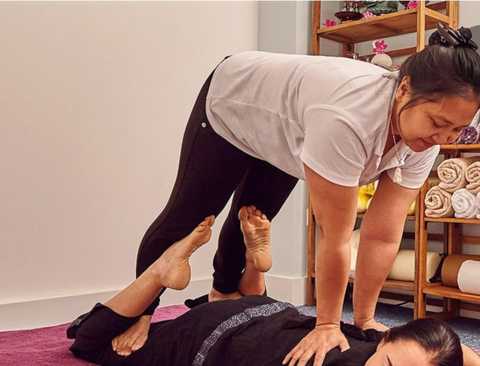
See examples of our Cupping work and results.












What Our Clients Say
$$MultiPurposeText$$
Read testimonials from our satisfied customers

Excellent 30 min massage to release my neck tension. Exactly what I needed after a long fl...more

10/10! Highly recommend Richard!!! I’ll be back regularly with him. He definitely knows wh...more

Amazing time to relax - he really knows the fascial planes and helps me out so much

Fantastic massage! Richard is very skilled at what he does! Would definitely recommend

Richard is not your average massage therapist—he is a true healer. I came in with intense ...more

Great massage!

Frequently Asked Questions
Get answers to common questions about Cupping.
At XCAPE our therapists conduct a thorough intake and tailor cupping to your health history. Cupping is safe for most clients, though we avoid it with certain conditions. Mild soreness or temporary marks are normal; serious risks are rare with trained providers.
Cupping commonly causes circular marks or mild bruising where suction draws blood to the surface. These marks usually fade within several days to two weeks. They do not indicate injury and are a normal sign of increased circulation and tissue release.
Many clients feel immediate relief in mobility and tension, but results vary. Benefits can last days to weeks; regular treatments or recommended home care extend results. We will create a plan based on your goals, activity level, and response to treatment.
Yes. Cupping pairs well with massage, stretching, and other modalities to enhance release and recovery. We integrate cupping safely into sessions when appropriate, adjusting timing and intensity to complement other therapies and your comfort level.
Sessions begin with consultation and targeted assessment, followed by hygienic application of cups. You may feel gentle tugging and deep release; cups remain for a few minutes or are moved. Aftercare includes hydration, gentle stretching, and avoiding intense activity for 24 hours.
Certain conditions, such as uncontrolled hypertension, bleeding disorders, active infections, recent surgery, or pregnancy complications, may rule out cupping. Always disclose medications and medical history during intake; we will recommend safe alternatives if cupping is not appropriate.