

Graston Technique Gallery
$$MultiPurposeText$$
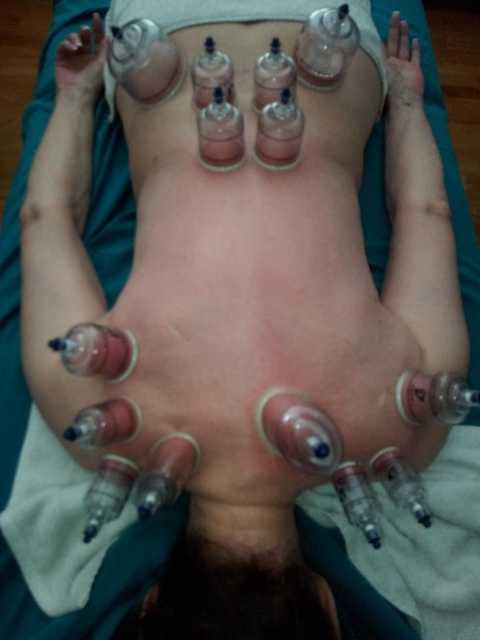
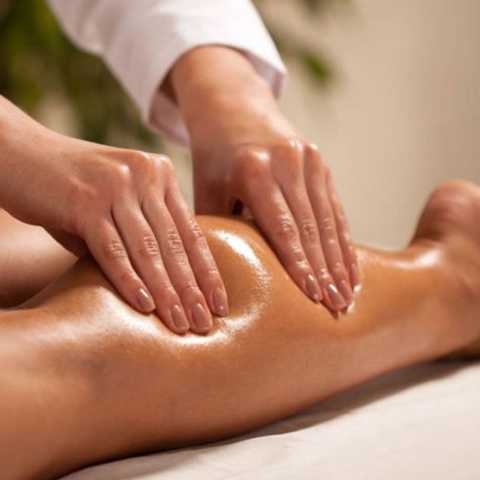
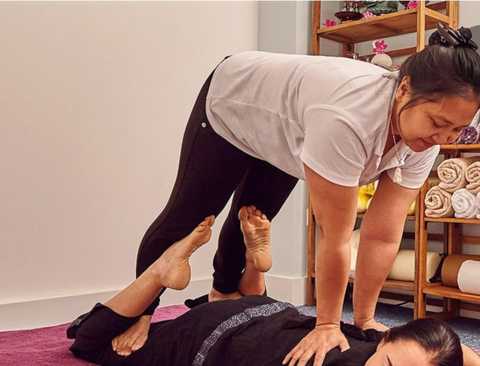
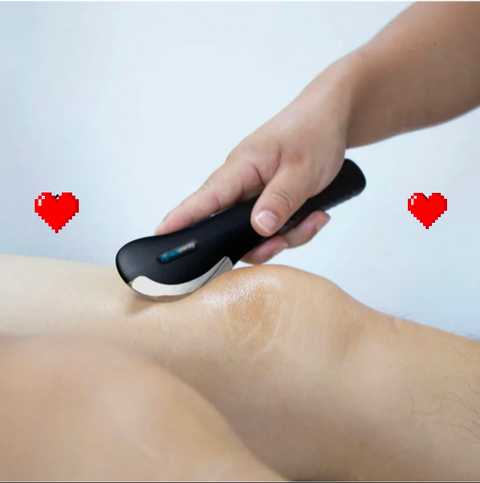
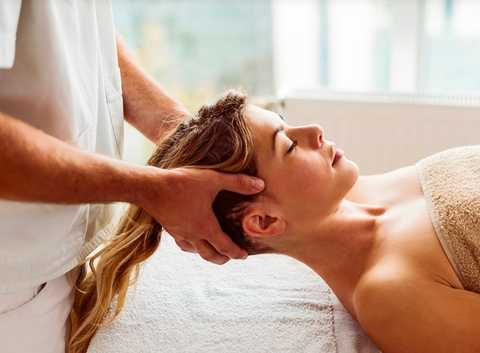
See examples of our Graston Technique work and results.
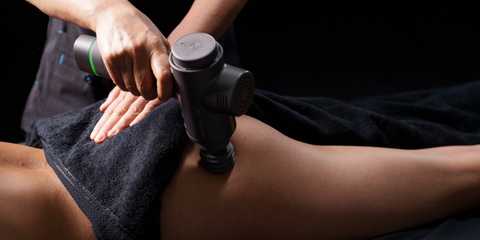



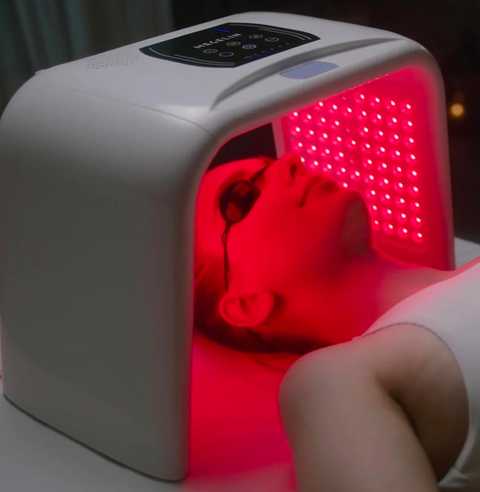
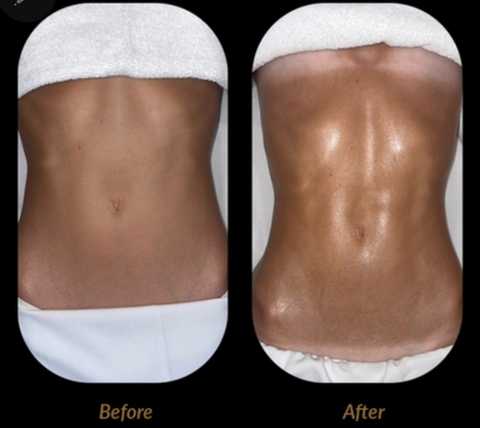


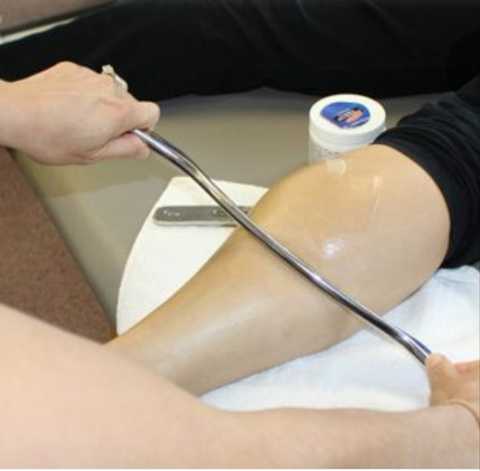





What Our Clients Say
$$MultiPurposeText$$
Read testimonials from our satisfied customers

Excellent 30 min massage to release my neck tension. Exactly what I needed after a long fl...more

10/10! Highly recommend Richard!!! I’ll be back regularly with him. He definitely knows wh...more

Amazing time to relax - he really knows the fascial planes and helps me out so much

Fantastic massage! Richard is very skilled at what he does! Would definitely recommend

Richard is not your average massage therapist—he is a true healer. I came in with intense ...more

Great massage!

Frequently Asked Questions
Get answers to common questions about Graston Technique.
A trained therapist uses stainless-steel instruments to perform targeted strokes over tight or scarred tissue, breaking adhesions and promoting healing. Sessions are typically added to a standard massage or rehab visit, may cause mild discomfort, and last minutes depending on treated area.
Some clients experience temporary soreness or bruising similar to deep tissue work; this indicates tissue change. Discomfort typically subsides within 48–72 hours. Your therapist will adjust pressure and provide aftercare guidance like icing, stretching, and activity modification to minimize discomfort.
Treatment frequency varies by condition severity; often 3–6 sessions spaced weekly or biweekly produce measurable improvement. Your therapist will assess progress and combine Graston with stretching, strengthening, and manual therapy to tailor a concise plan for sustained results.
Generally safe when performed by certified clinicians, but not appropriate for open wounds, recent fractures, blood clotting disorders, or certain skin conditions. We screen health history and may modify or decline treatment if risks outweigh benefits. Consult your provider with concerns.
Yes — Graston is an effective add-on to massage or rehab sessions. Therapists typically perform instrument-assisted work first, then follow with therapeutic massage, stretching, or exercises to enhance tissue flexibility and maintain gains achieved during treatment.
Wear comfortable clothing that allows access to the treatment area and arrive hydrated. Expect brief localized soreness or redness post-treatment; apply ice and follow prescribed stretches or exercises. Your therapist will review aftercare and any activity restrictions to support recovery.