

Head Scalp Massage Gallery
$$MultiPurposeText$$
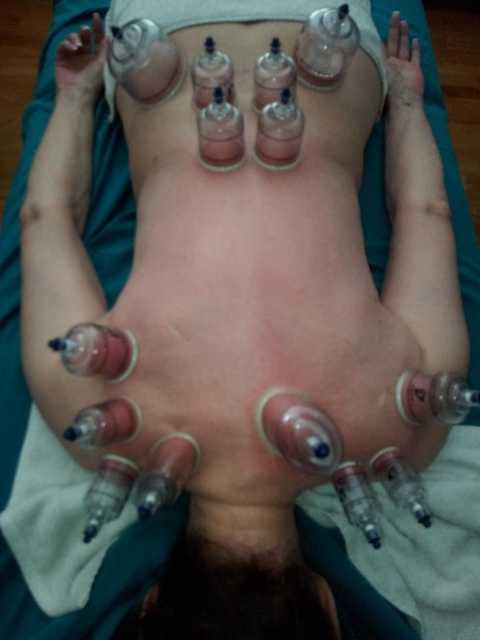
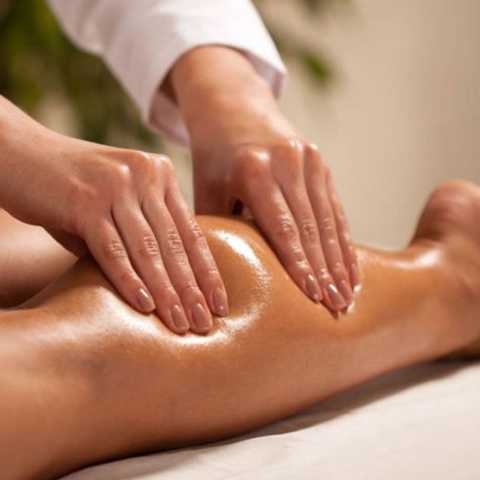
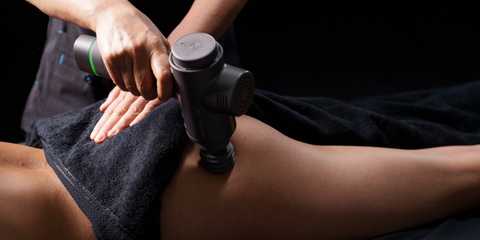
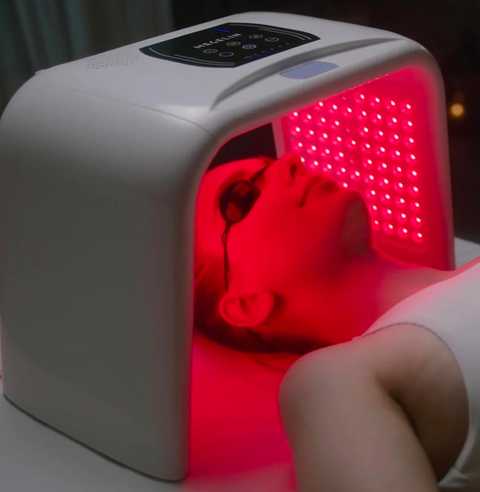
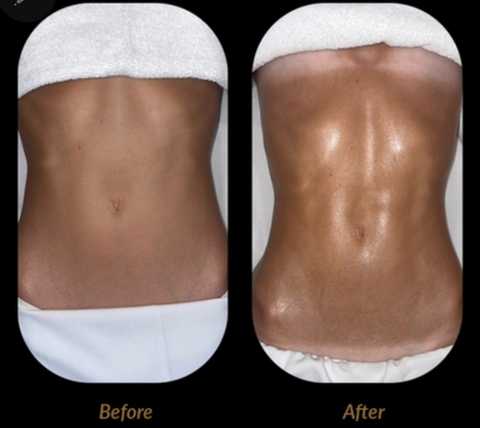
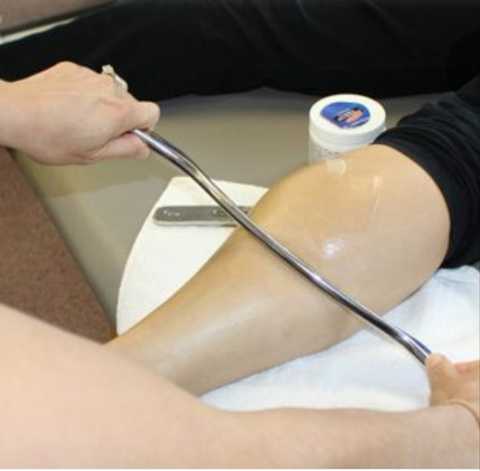
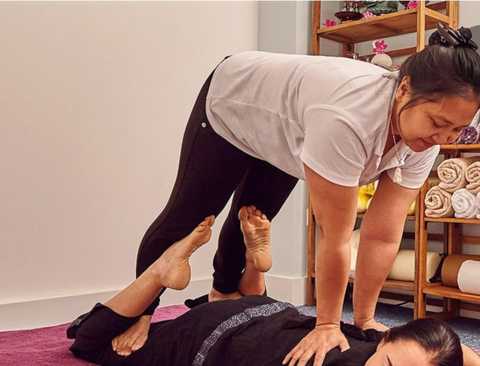
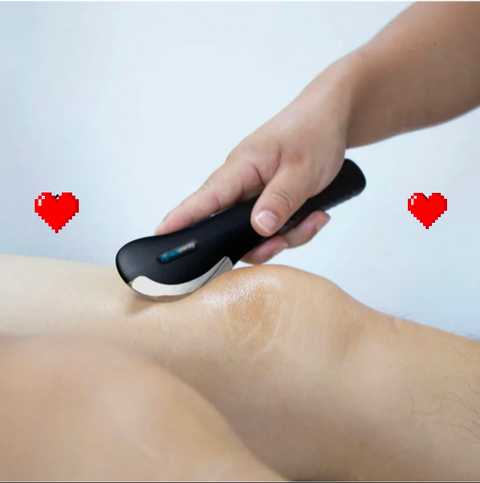
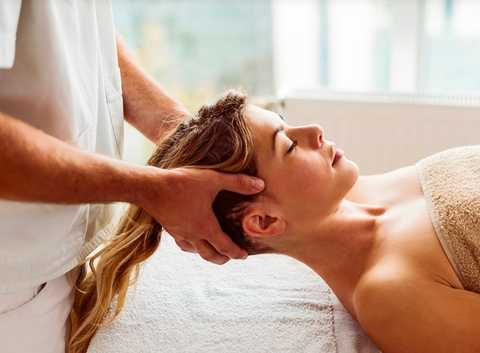
See examples of our Head Scalp Massage work and results.











What Our Clients Say
$$MultiPurposeText$$
Read testimonials from our satisfied customers

Excellent 30 min massage to release my neck tension. Exactly what I needed after a long fl...more

10/10! Highly recommend Richard!!! I’ll be back regularly with him. He definitely knows wh...more

Amazing time to relax - he really knows the fascial planes and helps me out so much

Fantastic massage! Richard is very skilled at what he does! Would definitely recommend

Richard is not your average massage therapist—he is a true healer. I came in with intense ...more

Great massage!

Frequently Asked Questions
Get answers to common questions about Head Scalp Massage.
A session combines gentle pressure, circular motions, and soothing stretches across the scalp, neck, and shoulders. Therapists adjust technique and intensity to your comfort, focusing on tension release, improved circulation, and deep relaxation. Typical sessions last ten to thirty minutes as an add-on.
Generally yes; it's safe for most people. Inform your therapist if you have skin conditions, recent head injuries, open wounds, or neurological concerns. We’ll modify pressure or skip areas as needed to ensure comfort and avoid aggravating any existing issues.
As an add-on, sessions usually run between ten and thirty minutes, depending on preference and therapist recommendations. Combined treatments may extend the time; we’ll discuss the ideal duration when you book to match relaxation goals.
Yes, many clients experience reduced frequency and intensity of tension headaches after regular scalp work. By releasing tight muscles and improving circulation in the head and neck, the massage can alleviate trigger points that commonly cause headache symptoms.
Washing is optional. Clean hair can make the experience more comfortable, especially if oils or products are used, but unwashed hair is fine. Inform your therapist about product buildup or sensitivities, and we’ll adapt techniques and any oils accordingly.
Side effects are typically mild and short-lived, such as temporary lightheadedness, increased thirst, or mild drowsiness. Drink water, rest if needed, and notify your therapist of any prolonged discomfort. Rarely, scalp tenderness may occur but resolves within a day or two.