

Deep Tissue Massage Gallery
$$MultiPurposeText$$
See examples of our Deep Tissue Massage work and results.
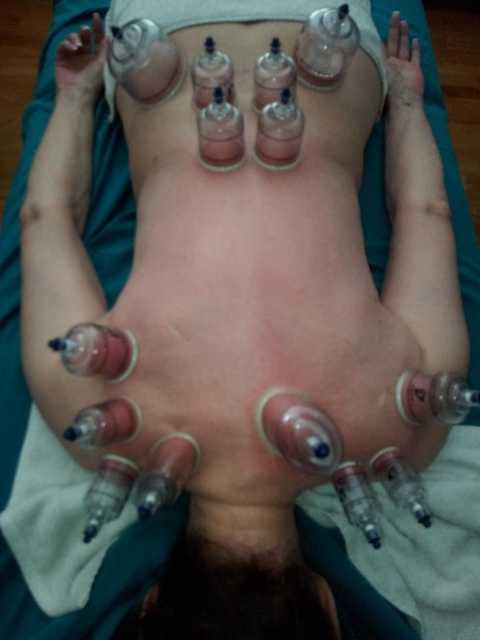







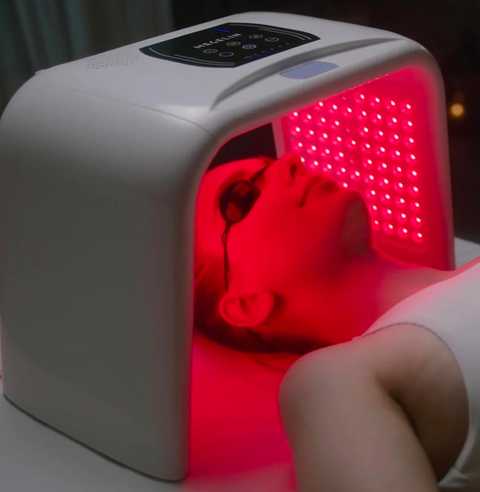
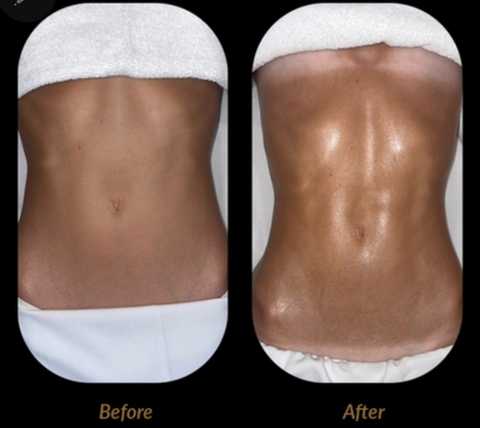


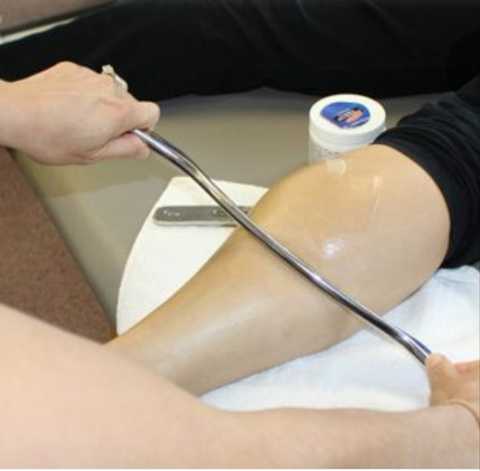







What Our Clients Say
$$MultiPurposeText$$
Read testimonials from our satisfied customers

Excellent 30 min massage to release my neck tension. Exactly what I needed after a long fl...more

10/10! Highly recommend Richard!!! I’ll be back regularly with him. He definitely knows wh...more

Amazing time to relax - he really knows the fascial planes and helps me out so much

Fantastic massage! Richard is very skilled at what he does! Would definitely recommend

Richard is not your average massage therapist—he is a true healer. I came in with intense ...more

Great massage!

Frequently Asked Questions
Get answers to common questions about Deep Tissue Massage.
You may feel firm pressure and occasional discomfort as therapists work deeper layers. Communication is essential — we adjust intensity to your tolerance. Mild soreness for 24–48 hours can occur; it usually signifies effective release and resolves with hydration and gentle movement.
Sessions commonly run 60 or 90 minutes to allow thorough work on problem areas. Shorter sessions are available for targeted relief, but longer appointments provide more time for deep techniques and integration of tissues for lasting results.
People with recent surgery, blood clots, open wounds, severe osteoporosis, uncontrolled high blood pressure, or certain medical conditions should consult their physician. We conduct intake assessments and adapt or recommend alternatives to ensure your safety before beginning deep work.
Hydrate well, avoid heavy meals immediately before, and wear comfortable clothing. Arrive a few minutes early to complete intake forms and discuss pain areas and pressure preferences with your therapist so treatment can be customized to your needs.
Mild to moderate soreness for 24 to 72 hours is common as tissues recover. Drink water, apply heat or gentle stretching, and rest. If severe pain or unusual symptoms occur, contact us or your healthcare provider promptly for advice.
Frequency depends on condition severity; acute issues may need several weekly sessions, while chronic patterns respond to biweekly or monthly maintenance. We'll create a personalized plan after assessment, tracking progress and adjusting duration and intervals for optimal, long-term outcomes.