

Injury Massage Gallery
$$MultiPurposeText$$
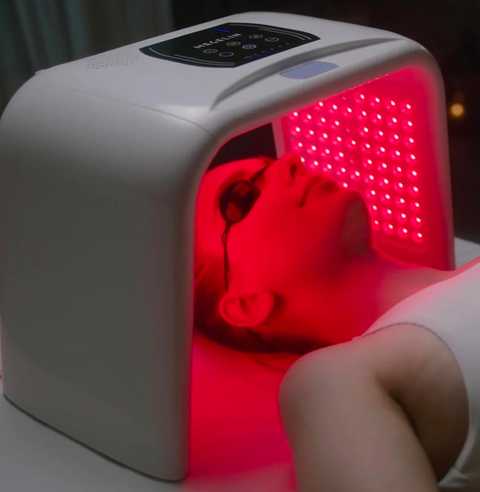
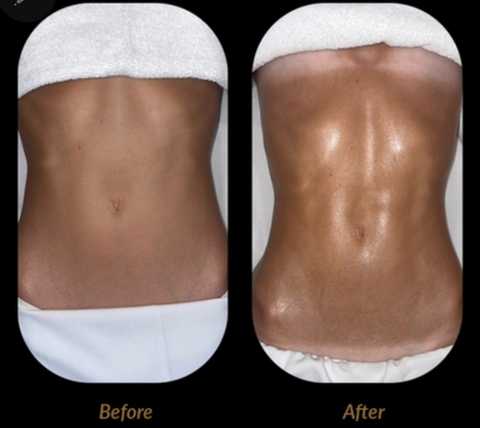
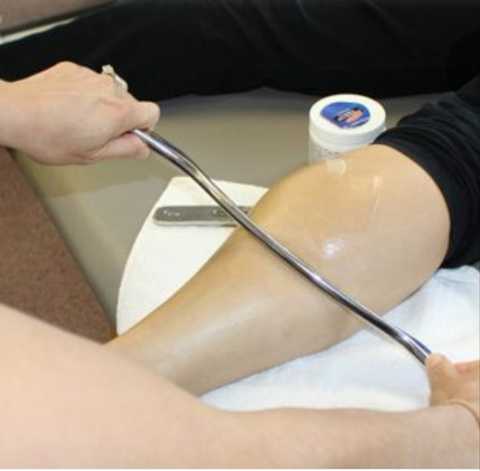
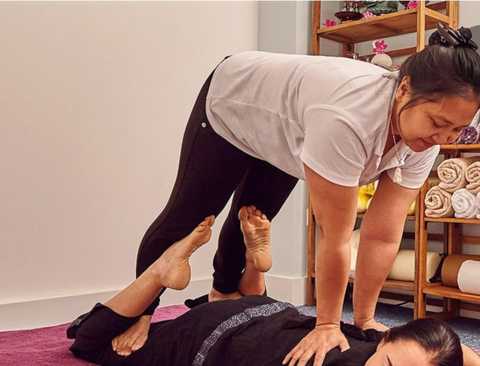
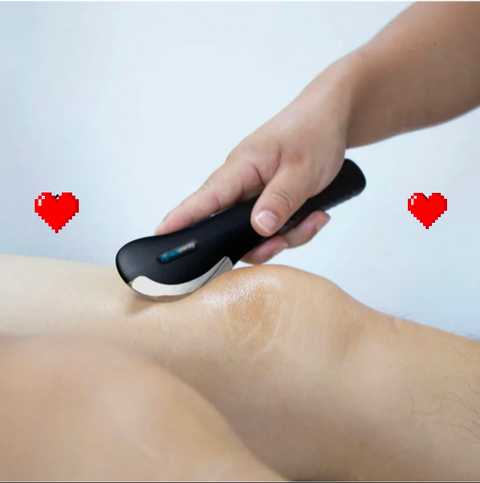
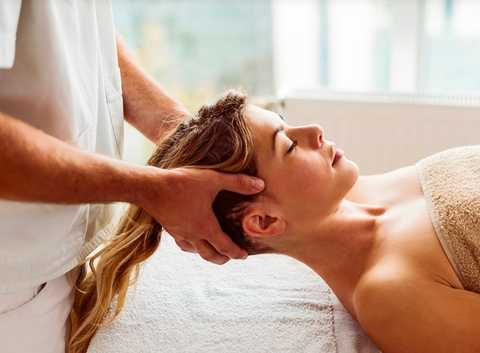
See examples of our Injury Massage work and results.
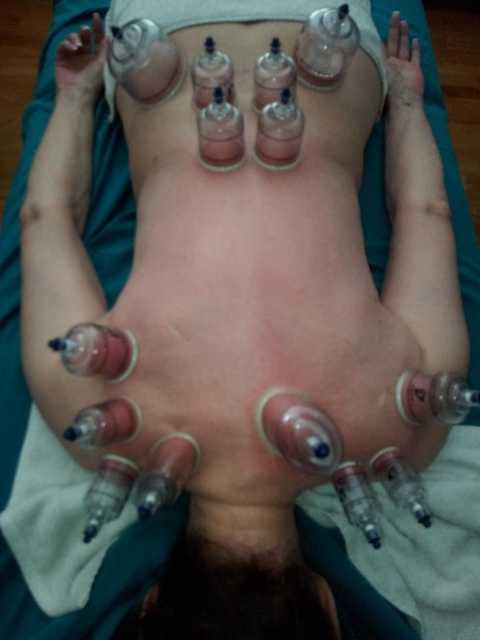

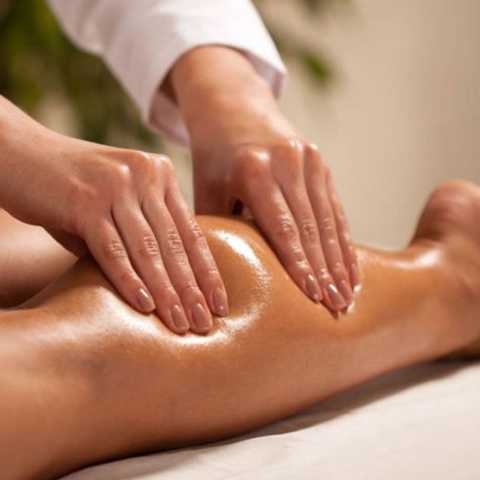
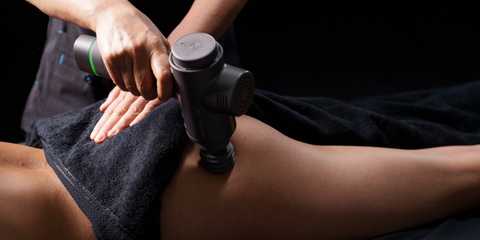










What Our Clients Say
$$MultiPurposeText$$
Read testimonials from our satisfied customers

Excellent 30 min massage to release my neck tension. Exactly what I needed after a long fl...more

10/10! Highly recommend Richard!!! I’ll be back regularly with him. He definitely knows wh...more

Amazing time to relax - he really knows the fascial planes and helps me out so much

Fantastic massage! Richard is very skilled at what he does! Would definitely recommend

Richard is not your average massage therapist—he is a true healer. I came in with intense ...more

Great massage!

Frequently Asked Questions
Get answers to common questions about Injury Massage.
We typically recommend waiting until acute bleeding or open wounds are healed and your healthcare provider approves. For mild strains and bruises, treatment can often begin within a few days; serious injuries may require medical clearance first.
You may feel deep pressure or temporary discomfort as adhesions and tight muscles are addressed. Therapists work within your pain tolerance and modify techniques. Mild soreness for 24–48 hours can occur, but significant pain should be reported immediately.
Frequency depends on injury severity, chronicity, and your goals. Acute issues might need three to six sessions, while chronic or complex injuries often require ongoing weekly treatments and reassessment with a progressive plan.
Most clients do not need a referral, but we recommend medical clearance for fractures, recent surgeries, or severe medical conditions. If unsure, bring medical notes and we can coordinate care with your provider for safe, effective treatment.
XCAPE therapists use a blend of myofascial release, trigger point work, cross-fiber friction, lymphatic techniques, and gentle joint mobilization, chosen to reduce inflammation, break adhesions, and restore functional movement.
Injury Massage benefits both acute and chronic conditions. For long-standing issues, treatment focuses on reversing compensatory patterns, reducing scar tissue, and improving mobility, often combined with home exercises and progressive in-clinic care.