

Sports Massage Gallery
$$MultiPurposeText$$
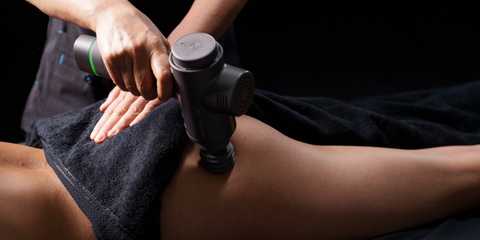
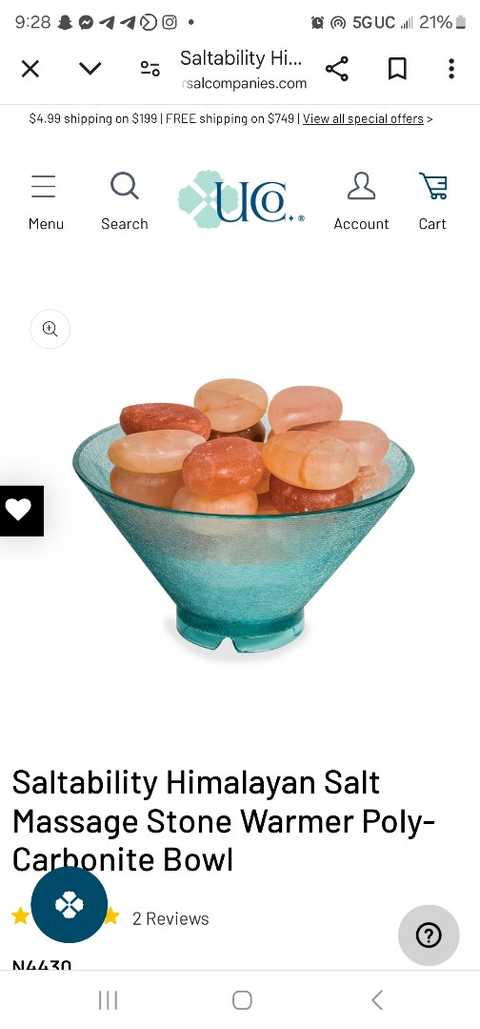
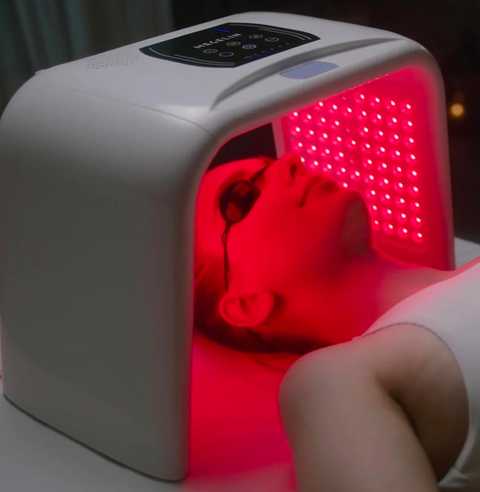
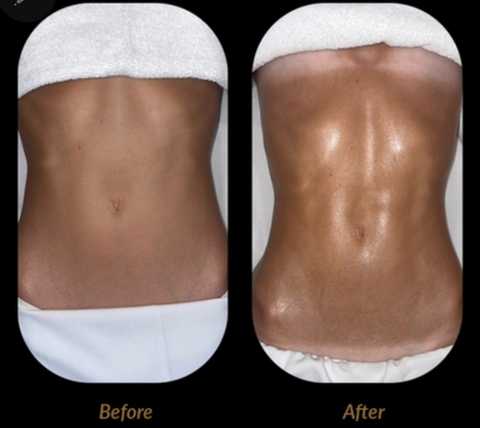
See examples of our Sports Massage work and results.
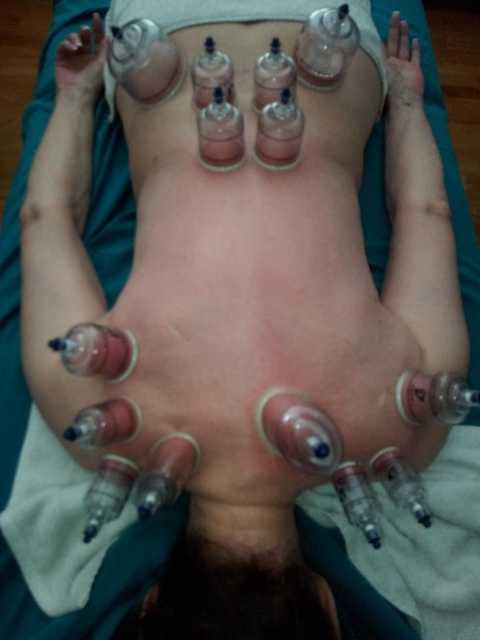
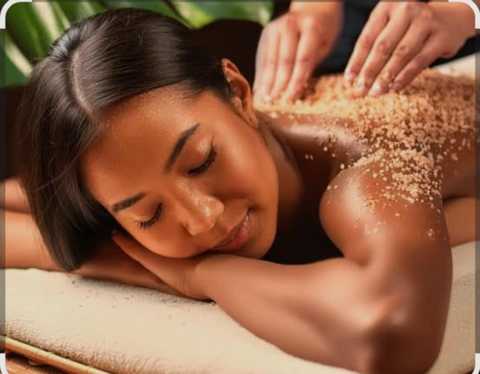
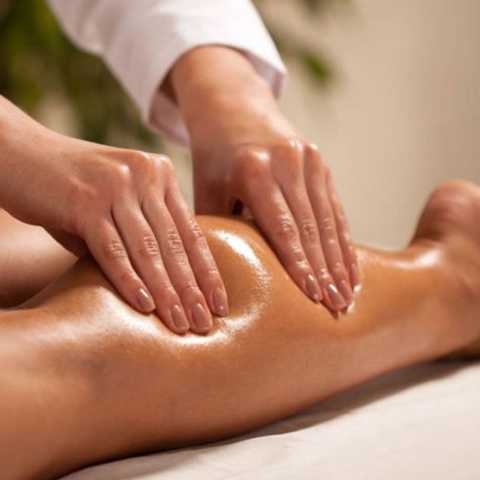




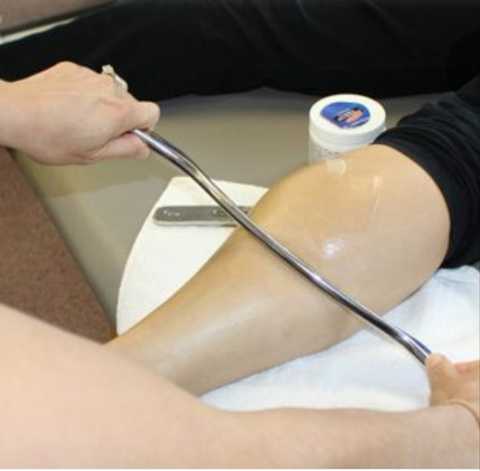

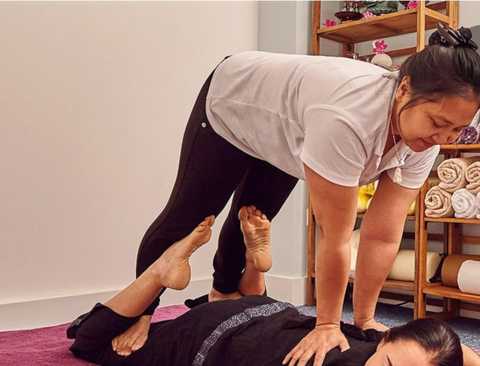


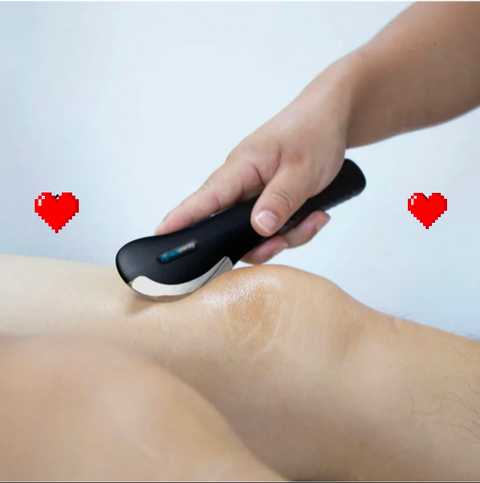
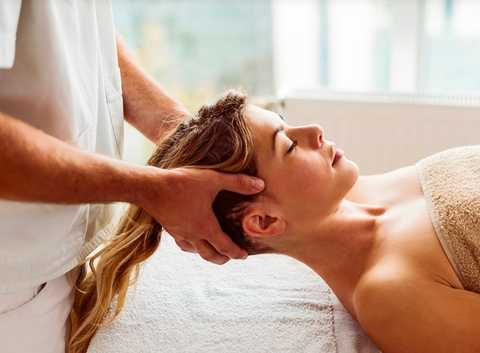


What Our Clients Say
$$MultiPurposeText$$
Read testimonials from our satisfied customers

Excellent 30 min massage to release my neck tension. Exactly what I needed after a long fl...more

10/10! Highly recommend Richard!!! I’ll be back regularly with him. He definitely knows wh...more

Amazing time to relax - he really knows the fascial planes and helps me out so much

Fantastic massage! Richard is very skilled at what he does! Would definitely recommend

Richard is not your average massage therapist—he is a true healer. I came in with intense ...more

Great massage!

Frequently Asked Questions
Get answers to common questions about Sports Massage.
A Sports Massage combines targeted pressure, stretching, and compression to release tight muscles, improve joint mobility, and enhance circulation. Those effects reduce soreness, restore movement patterns, and optimize muscle function so athletes experience better performance and quicker recovery between workouts or events.
Both. Pre-workout Sports Massage primes muscles with light compression and dynamic stretching to improve readiness. Post-workout sessions focus on flushing metabolic waste and relieving tension. Timing varies, but avoid deep sessions immediately before maximal effort — schedule deeper work several hours earlier.
Frequency depends on training load and goals; many athletes schedule weekly or biweekly sessions during heavy training, with monthly maintenance otherwise. Your therapist will assess recovery, soreness, and mobility to create a personalized plan that supports performance and prevents overuse injuries.
You may feel pressure or mild discomfort during deep techniques and temporary soreness for 24–48 hours afterward. That can be normal as tissues adapt. Communicate discomfort levels so therapists adjust intensity, and expect hydration, rest, and gentle movement to help recovery.
Wear comfortable, loose clothing you can easily remove or keep on for targeted areas. Therapists will drape you professionally, exposing only the areas being treated. For sports-specific work, shorts or a sports bra make access to limbs and hips easier while maintaining modesty.
Certain conditions—uncontrolled hypertension, deep vein thrombosis, fever, active infections, recent fractures, or open wounds—may contraindicate Sports Massage. Always disclose medical history, medications, and recent injuries during intake. Your therapist will modify techniques or refer you to healthcare professionals if needed.