

Myofascial Release Gallery
$$MultiPurposeText$$
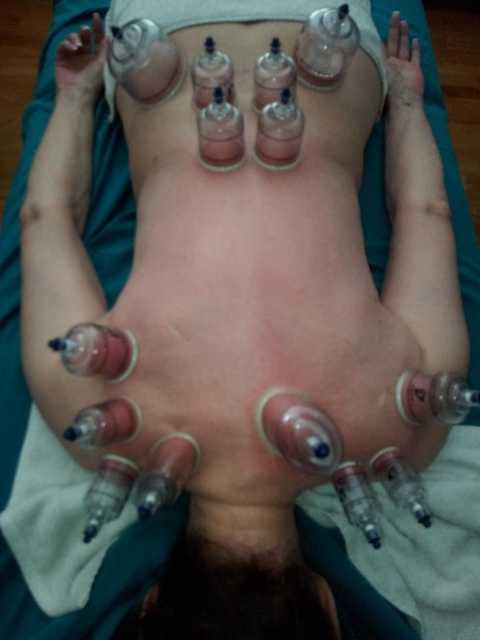
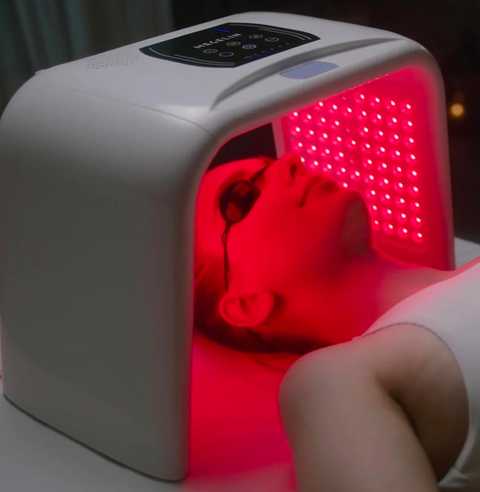
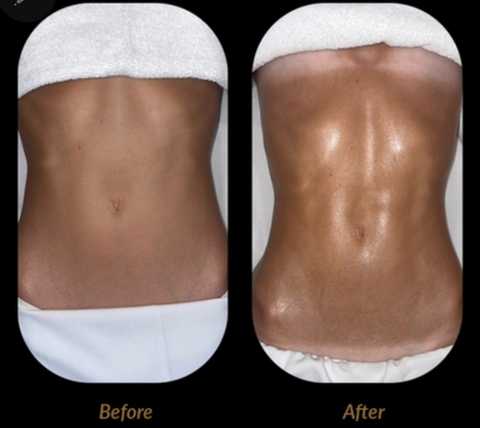
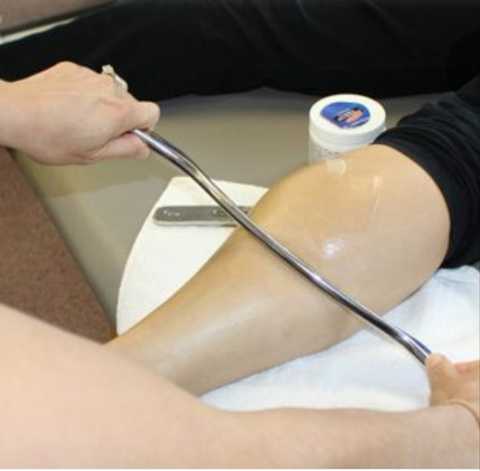
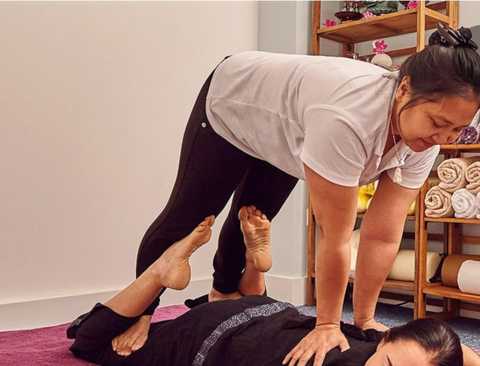
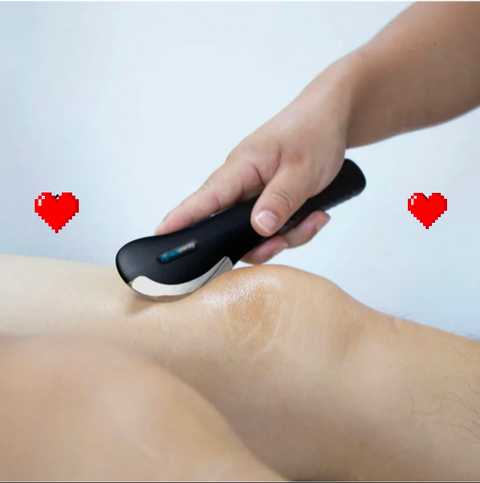
See examples of our Myofascial Release work and results.















What Our Clients Say
$$MultiPurposeText$$
Read testimonials from our satisfied customers

Excellent 30 min massage to release my neck tension. Exactly what I needed after a long fl...more

10/10! Highly recommend Richard!!! I’ll be back regularly with him. He definitely knows wh...more

Amazing time to relax - he really knows the fascial planes and helps me out so much

Fantastic massage! Richard is very skilled at what he does! Would definitely recommend

Richard is not your average massage therapist—he is a true healer. I came in with intense ...more

Great massage!

Frequently Asked Questions
Get answers to common questions about Myofascial Release.
Myofascial Release helps with chronic back and neck pain, scar and post-surgical restrictions, headaches, plantar fasciitis, TMJ dysfunction, and limited mobility. It focuses on fascial restrictions that perpetuate pain, improving tissue glide and overall movement when combined with a treatment plan.
Most clients experience mild discomfort as tight fascia releases, often followed by relief and improved mobility. Therapists use controlled pressure and adapt techniques to comfort levels. Minor soreness or tiredness can occur for a day or two; hydration and rest help recovery.
Treatment frequency varies by condition severity, chronicity, and individual response. Acute issues may need a few sessions, while chronic or complex cases often require a series of weekly visits plus home exercises. Your therapist will create a tailored plan and reassess progress regularly.
Yes. When cleared by your surgeon, gentle myofascial techniques safely address scar adhesions, restoring tissue elasticity and movement. Gradual, consistent treatment reduces tightness and pain, supports proper healing, and is most effective when combined with appropriate stretching and functional rehabilitation.
Certain conditions like active infection, acute inflammation, recent fractures, uncontrolled blood clots, or severe osteoporosis may make treatment unsuitable. Always disclose medical history and medications. Our therapist will screen for risks and modify or defer treatment to ensure your safety and optimal outcomes.
Sessions include evaluation, targeted manual work to release fascial restrictions, and guided movement or breathing to reinforce release. Pressure is adjusted to your comfort. Treatments often end with self-care advice, stretches, and recommendations to support long-term mobility and pain reduction.